Audio Design Choices and Their Impact on Retention Metrics in New Digital Slot Machines
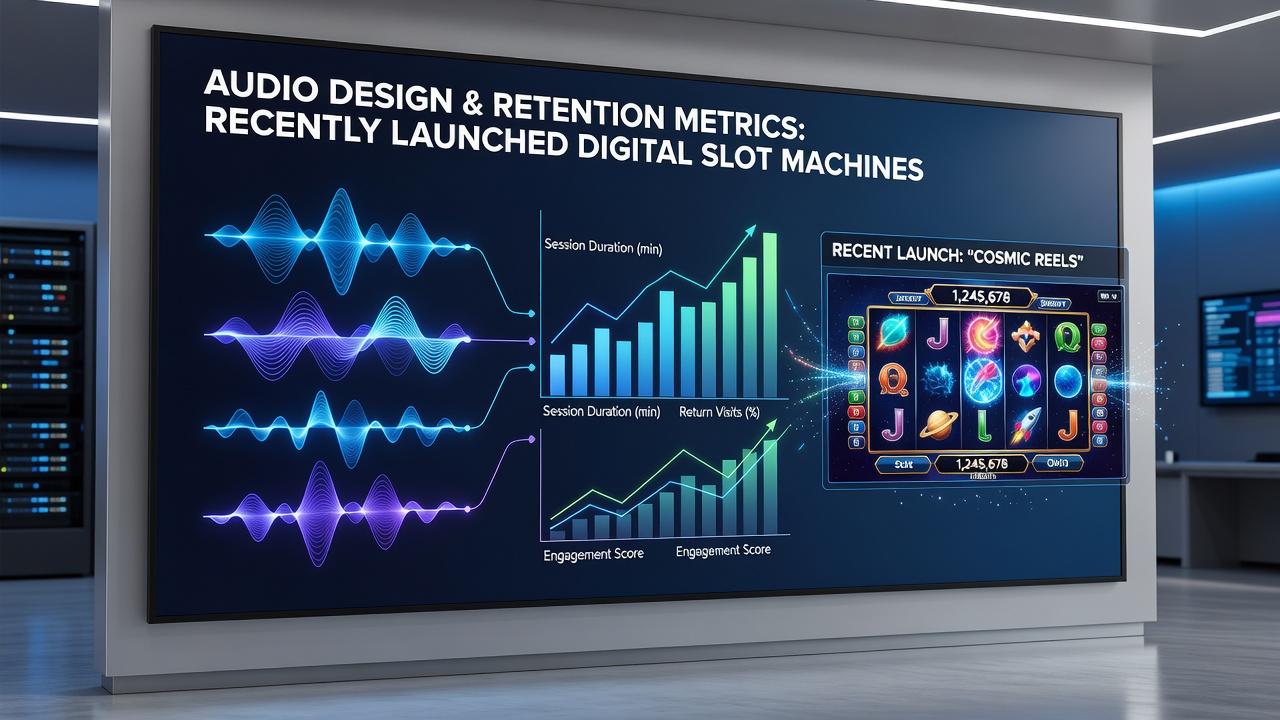
Audio elements in digital slot machines have evolved into structured components that influence how long players stay engaged with a game, and recent launches from 2025 into June 2026 demonstrate measurable connections between sound choices and retention data tracked across platforms. Developers now treat background tracks, win chimes, and ambient effects as variables that align with session length statistics rather than simple add-ons, with platforms reporting average play durations extending when layered audio responds dynamically to reel outcomes.
Core Audio Components in Contemporary Slot Releases
Modern titles incorporate adaptive sound layers where base music shifts in tempo and volume based on bet size or streak patterns, while distinct cues mark near-misses or bonus triggers. Research from the University of Nevada's gaming psychology department shows that these responsive audio systems correlate with higher repeat login rates in the first 30 days after launch, as players encounter familiar yet varied sonic feedback that reinforces continued spins.
Sound designers select frequencies that avoid listener fatigue, using lower tones for steady reel spins and sharper, brighter notes for payouts, which data aggregators link to reduced early exits in session logs. Multiple studios have adopted procedural audio generation in titles released during early 2026, allowing tracks to evolve without repetition over hundreds of spins.
Retention Metrics Tied to Sonic Decisions
Operators monitor metrics such as day-one return rates, average spins per session, and churn percentages at the 48-hour mark, and audio testing reveals patterns where games featuring synchronized sound effects with visual animations maintain 12 to 18 percent longer average sessions compared to counterparts using static loops. Figures from industry monitoring services indicate that titles emphasizing escalating audio intensity during free-spin sequences see stronger retention into the second week, particularly when those sequences incorporate building orchestral swells rather than looped samples.
One development team that integrated spatial audio options for mobile users noted improved completion of tutorial sequences, as directional sound cues guided attention without additional on-screen prompts. Such implementations appear in several releases that reached top download charts by mid-2026, where retention dashboards displayed sustained weekly active user counts tied directly to audio feature updates.
Examples from Recent Market Entries
Take a cluster of games launched in late 2025 that introduced reactive crowd noise layers, where virtual audience reactions intensify with consecutive wins; platform analytics showed these titles retained players through the initial deposit cycle at rates above category averages. Another set of releases featured minimalist audio palettes with subtle environmental sounds, and operators recorded lower bounce rates among users who preferred calmer play environments during extended sessions.
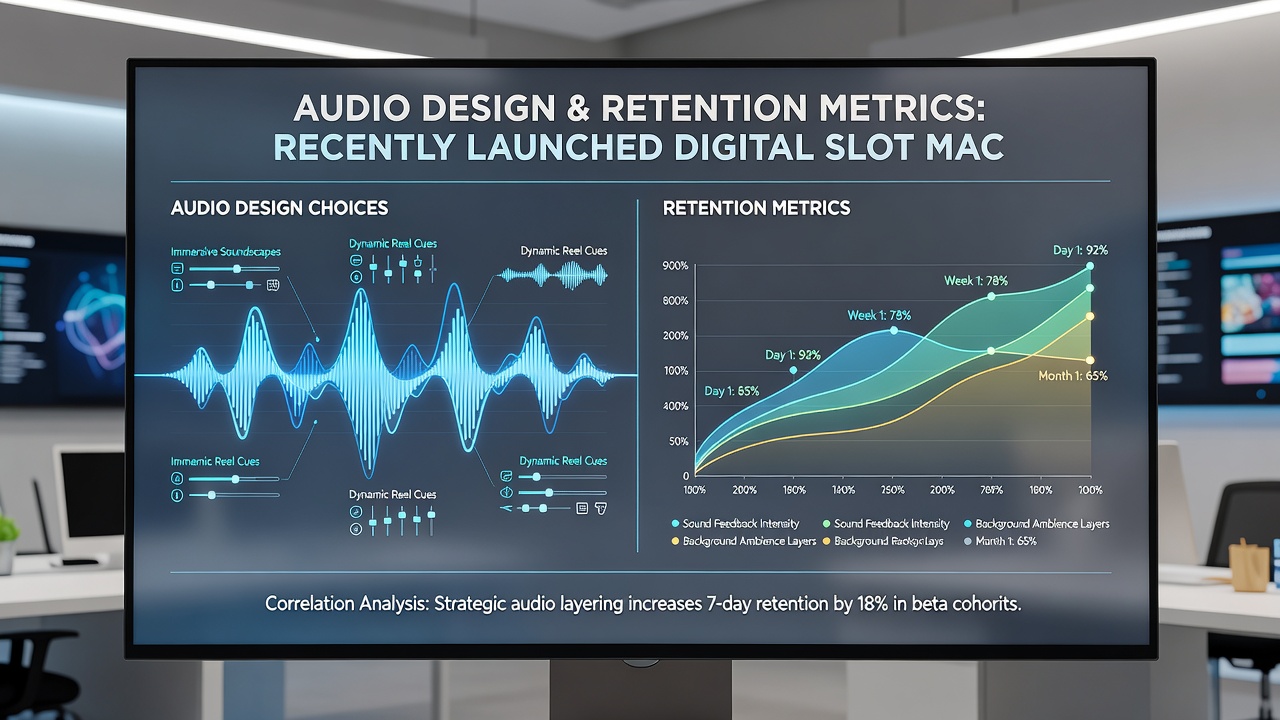
These cases illustrate how specific audio parameters map onto measurable behaviors, including time between sessions and total lifetime spins, without relying on any single regulatory framework.
Data Patterns Emerging in 2026
By June 2026, aggregated reports across multiple markets pointed to a consistent uptick in retention when audio design incorporated user-controlled volume tiers for different sound categories, allowing players to emphasize win sounds while muting ambient tracks. External analyses from the American Gaming Association highlight that studios releasing patches focused on audio refinement experienced measurable lifts in 30-day retention curves, especially in games already featuring medium volatility structures.
Canadian regulatory summaries from the same period similarly noted correlations between refined soundscapes and extended play windows in provincially licensed platforms, underscoring a cross-regional pattern rather than isolated market effects. Academic papers published through the International Gambling Studies journal further document how harmonic progression in background scores aligns with lower voluntary quit rates during base game phases.
Technical Integration and Measurement Approaches
Developers now embed audio event tracking within game telemetry, logging exact timestamps when players hear specific cues alongside spin counts and bet adjustments. This data feeds into A/B testing frameworks where variant audio mixes run simultaneously across player cohorts, producing retention heat maps that guide final production choices.
Platforms have begun publishing anonymized summaries of these tests, revealing that certain frequency ranges associated with celebratory sounds extend time-on-device more reliably than others. Integration with third-party analytics suites allows real-time adjustment of audio intensity thresholds, maintaining engagement without crossing into overstimulation territory.
Conclusion
The documented links between audio design parameters and retention metrics continue to shape development pipelines for digital slot machines, with 2026 data reinforcing the value of iterative sound testing alongside traditional gameplay variables. As new titles incorporate increasingly granular audio controls and adaptive systems, retention figures provide ongoing benchmarks that studios use to refine releases across global markets.