Mapping Activation Patterns for Innovative Reel Configurations in Licensed Markets
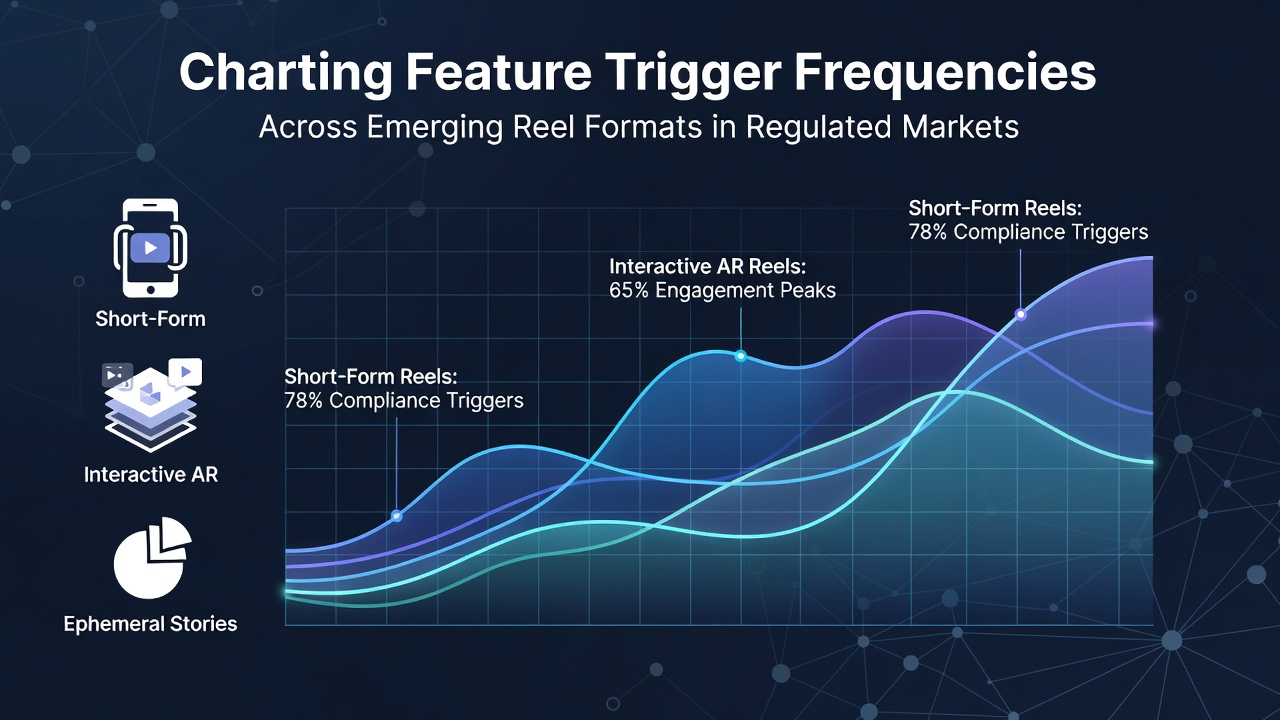
Regulated markets continue to track how often specific features activate within newer reel designs that move beyond traditional three-reel or five-reel grids, and data sets compiled through 2026 reveal distinct patterns tied to each format's underlying mathematics. Observers note that cluster-pay systems, expanding-ways mechanics, and reel-modifier engines each produce different trigger intervals for free-spin rounds, multiplier stacks, and symbol-collection bonuses, while licensing bodies require transparent reporting on these rates before operators can deploy titles in their jurisdictions.
Core Reel Formats Under Review
Analysts at research firms have broken down activation data across four primary reel structures that gained traction after 2024, and the results show measurable differences in how frequently bonus events occur during standard play cycles. Cluster-pay grids, which award wins when matching symbols form groups rather than lines, tend to trigger collection features at intervals that range from every 120 to 180 spins depending on the volatility setting chosen by the developer. Expanding-ways formats, where reel heights increase during base play, deliver free-spin entries at rates that average one activation per 95 spins in mid-volatility titles according to aggregated reports from multiple testing laboratories.
Reel-modifier engines introduce dynamic changes such as symbol splitting or row additions, and these mechanics produce the widest variance in trigger frequencies, with some configurations hitting bonus events as often as once every 75 spins while others stretch beyond 200 spins before the first activation. Those who've compiled the figures emphasize that each format's random number generator remains certified independently, yet the visible outcome frequencies shift based on how the reel layout interacts with the paytable structure.
Data Collection Methods in Licensed Jurisdictions
Regulatory frameworks in North America and parts of Europe mandate that operators submit quarterly logs of feature triggers for every game offered to players, and these records allow researchers to calculate precise rates without relying on manufacturer claims alone. The Pennsylvania Gaming Control Board publishes aggregated slot performance summaries that include bonus activation counts across thousands of machines, providing one source of comparable data for emerging reel types. Similar reporting requirements exist in Ontario, where the Alcohol and Gaming Commission of Ontario requires studios to disclose expected trigger intervals during the certification process.
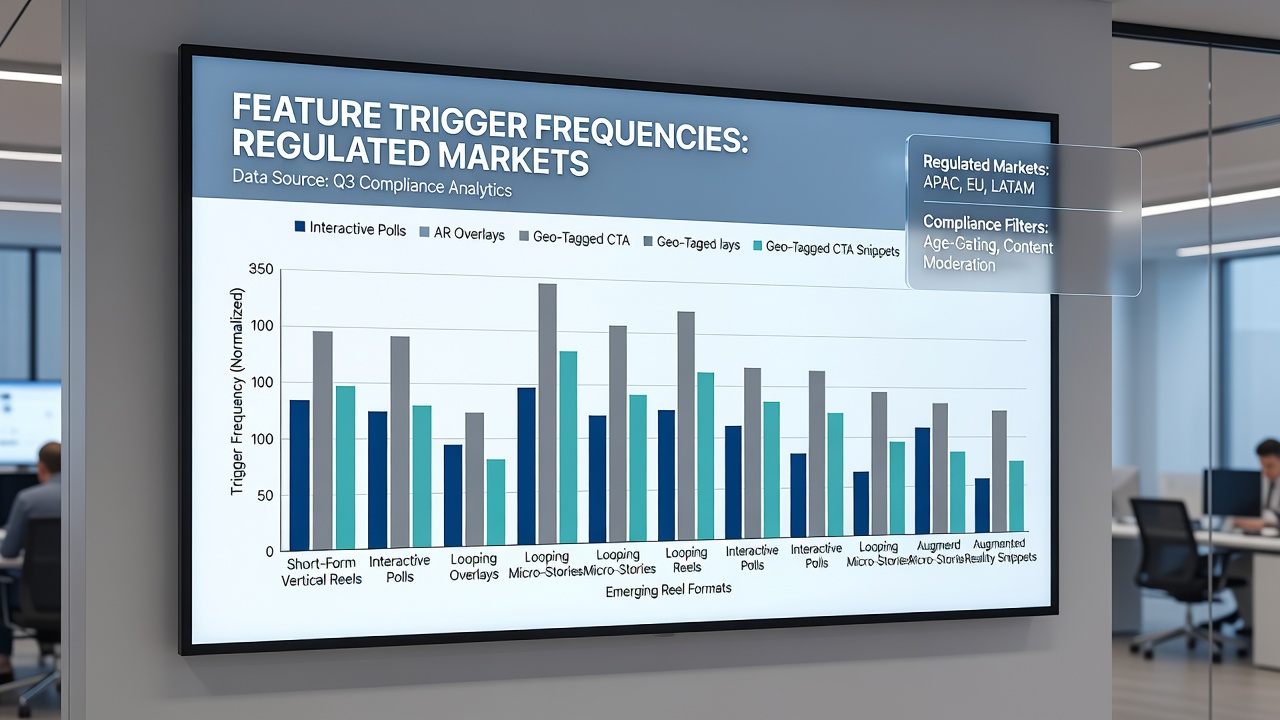
July 2026 updates to certification protocols in several markets added requirements for real-time monitoring of feature hit rates, which means developers must now demonstrate that actual play data aligns with the theoretical frequencies submitted during initial approval. This shift has prompted studios to adjust reel mathematics earlier in the design phase so that observed triggers stay within approved tolerance bands once titles reach live environments.
Comparative Trigger Rates Across Formats
Studies compiled by independent testing houses show that cluster-pay titles activate symbol-collection bonuses at a median rate of once every 142 spins, while expanding-ways games reach the same feature type at an average of once every 108 spins. Reel-modifier engines fall in between these figures for collection events but lead in multiplier-stacking bonuses, which appear roughly 30 percent more often than in the other two formats. These differences arise because each layout distributes winning combinations across different numbers of possible outcomes, and the certification process captures those distributions through millions of simulated spins before any title receives approval.
What's interesting is how the same reel format can produce varying trigger intervals when deployed in different volatility settings, yet regulators require that the published return-to-player percentage remains consistent regardless of how frequently features appear. Developers therefore calibrate base-game hit rates and bonus frequencies together so that the overall mathematical model stays within approved limits across all licensed markets.
Implications for Market Compliance
Operators in regulated environments must verify that live-game data continues to match the trigger frequencies documented during certification, and any sustained deviation triggers an automatic review process. This verification step has become standard practice because licensing authorities now cross-reference operator logs against the original laboratory reports on a monthly basis. The result is a growing database that tracks how reel-format innovations perform once they move from testing environments into actual player sessions across multiple jurisdictions.
Conclusion
Comprehensive tracking of feature trigger frequencies across emerging reel formats provides licensed markets with measurable benchmarks that support ongoing compliance and game certification. Data gathered through mid-2026 demonstrates clear distinctions between cluster-pay, expanding-ways, and reel-modifier systems, while regulatory reporting requirements ensure these distinctions remain documented and verifiable. Continued collection of activation statistics will allow authorities and developers to refine approval processes as new reel configurations continue to enter regulated environments.