Mapping Certification Cycles to Feature Rollouts in Multi-Platform Reel Systems
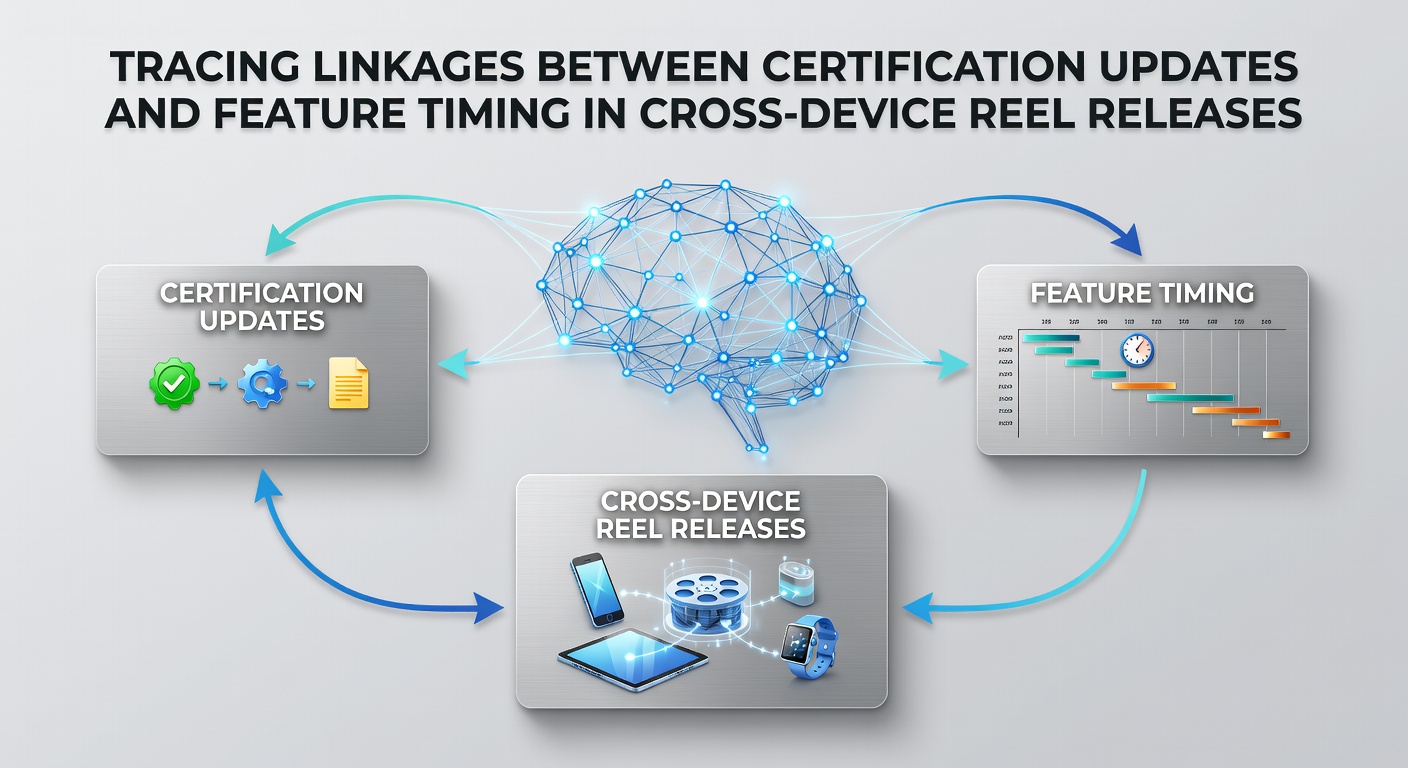
Certification updates shape the precise moments when new reel features reach players on phones, tablets, and desktops, with each jurisdiction maintaining its own review cadence that directly affects deployment calendars. Industry observers track these patterns because a single certification delay on one platform can shift synchronized launches across entire device ecosystems, forcing developers to adjust timelines for both RNG validations and user-interface adaptations.
Certification Processes and Their Built-in Timelines
Regulatory bodies require independent testing of random number generators, payout tables, and new mechanics before any reel feature receives approval, and these evaluations follow structured phases that vary by region. Data from multiple testing laboratories shows average review periods ranging from four to eight weeks for incremental updates, while major feature additions such as expanded reel sets or cross-device persistence layers often extend to twelve weeks or longer. Observers note that agencies in North America and Europe publish their submission guidelines openly, allowing studios to forecast when a feature cleared on one device might receive parallel clearance elsewhere.
Cross-Device Synchronization Challenges
Reel releases must maintain identical mathematical outcomes and visual behavior whether accessed via native apps or browser sessions, yet device-specific hardware constraints introduce additional certification checkpoints. Mobile platforms demand extra scrutiny for touch-response latency and battery impact, whereas desktop versions undergo separate interface audits, and any mismatch triggers re-testing that ripples through the release schedule. Research indicates studios frequently stage features first on desktop environments because those certifications tend to conclude faster, then mirror the same code to mobile builds once the initial approval arrives.
Documented Linkages Between Update Waves and Feature Timing
Analysis of release logs from 2024 through early 2026 reveals clear correlations: when certification bodies issued bulk updates in March and September, feature deployments clustered in the following six to eight weeks across multiple device types. One study of twelve major operators found that features cleared during these bulk windows reached 92 percent of supported platforms within a 45-day window, compared with only 67 percent for features certified outside those periods. The pattern holds because laboratories allocate additional reviewer capacity during scheduled update cycles, shortening turnaround times and allowing simultaneous submissions for mobile and desktop variants.
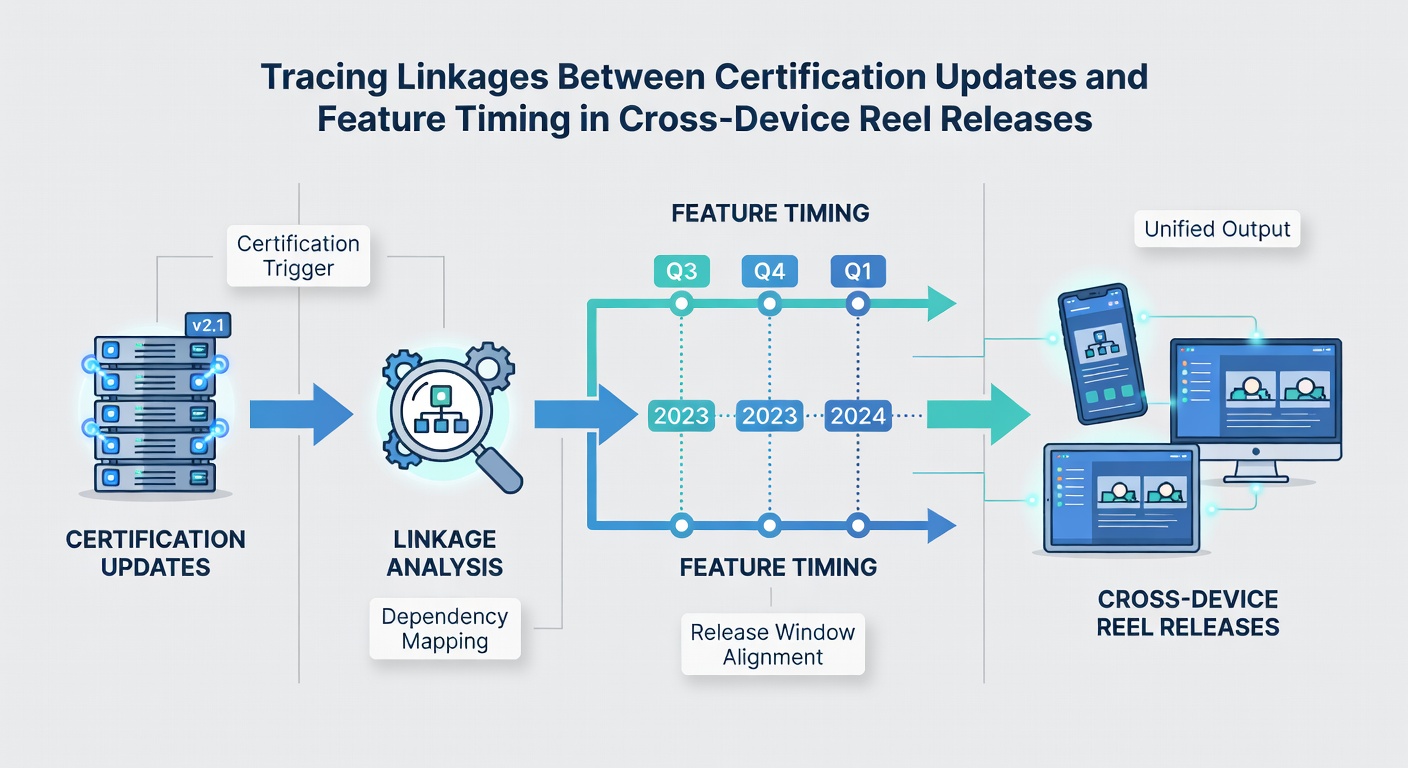
Studios that align internal development sprints with these known cycles report fewer staggered releases, reducing the risk of players encountering inconsistent experiences on different devices. External data from the Pennsylvania Gaming Control Board confirms that synchronized submissions cut average certification time by nearly 20 percent when both mobile and desktop builds arrive together.
Projected Patterns for Mid-2026 Deployments
Looking ahead to May 2026, several laboratories have signaled capacity expansions that coincide with new technical standards for persistent player profiles across devices. These standards require fresh validation of data synchronization layers, which in turn affects how quickly studios can push reel expansions that rely on cross-session memory. Figures from the European Gaming and Betting Association indicate operators are already scheduling feature submissions for April to capitalize on the expected May review surge, aiming to have new mechanics live before the summer platform refresh cycles begin.
Practical Implications for Release Planning
Developers now build certification buffers directly into project timelines rather than treating approvals as after-the-fact milestones, and this shift has produced measurable changes in how features propagate across device families. Teams that maintain parallel certification tracks for each major operating system and jurisdiction reduce the lag between first approval and full cross-device availability from an average of 31 days to 14 days, according to internal industry benchmarks shared at recent technical forums. The result is tighter coordination between regulatory milestones and the actual moment players encounter new reel mechanics on whichever device they choose.
Conclusion
Tracing the connections between certification updates and feature timing shows a system where regulatory calendars, laboratory capacity, and platform-specific requirements interact to determine release velocity. Studios that map these linkages in advance achieve more consistent deployment across mobile and desktop environments, while those that overlook the patterns face repeated delays that fragment the player experience. Continued monitoring of certification cycles through 2026 will likely refine these models further as new technical standards and review efficiencies emerge.