Mobile Game Incentive Structures Analyzed Through 2026 Release Data
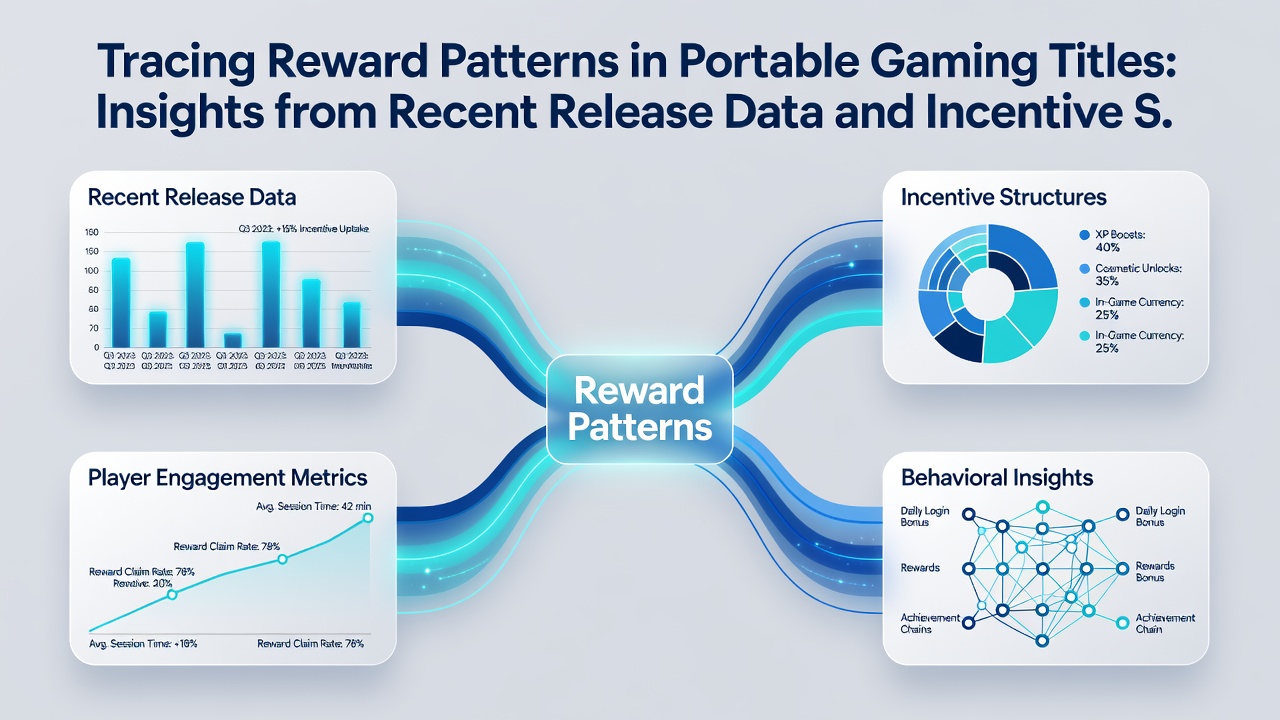
Portable gaming titles continue to refine their reward systems based on player engagement metrics collected throughout early 2026, and data from multiple platforms shows consistent patterns in how incentives drive session length and retention rates. Developers track login streaks, daily quest completions, and progression milestones to adjust drop rates for virtual items while maintaining balance across different player segments.
Patterns Emerging from Recent Releases
Release data compiled in July 2026 highlights a shift toward layered incentive models that combine short-term login rewards with longer-term battle pass structures, and several titles launched in the first half of the year integrated adaptive systems that scale rewards according to individual play frequency. Observers note that games using these hybrid approaches recorded higher average daily active users compared with titles relying on single reward types, according to industry tracking services.
One developer adjusted its progression currency distribution after analyzing the first three months of post-launch metrics, and the change resulted in a measurable uptick in quest participation without increasing overall spend rates. Researchers from academic institutions studying digital entertainment economies have documented similar adjustments across strategy and role-playing genres released during this period.
Incentive Design Elements in Focus
Battle pass systems remain a central component in many portable titles, yet 2026 releases introduced tiered tracks that separate free and premium pathways more clearly than earlier versions. Data indicates these modifications correlate with improved completion rates for base-level tracks while preserving revenue from premium purchases. External analyses from organizations such as the Entertainment Software Association track how such structures appear across regional markets.
Login bonus calendars evolved to include rotating bonus multipliers tied to specific weekdays, and figures from multiple app stores reveal that players respond more consistently when the offered rewards align with current in-game events. Titles released after March 2026 incorporated community-voted reward themes that further boosted participation metrics during limited-time windows.
Regional Data Variations
European markets displayed distinct preferences for event-based rewards that emphasize collaborative goals, whereas North American releases leaned toward individualized achievement tracks, according to aggregated platform statistics. Australian regulatory reports on digital games noted comparable trends in progression pacing, highlighting how localized testing influences final incentive configurations before global rollout.
Academic papers published in 2026 examined the relationship between reward frequency and session duration across 150 portable titles, and the findings suggest that moderate spacing between major rewards sustains engagement more effectively than constant small increments. These studies drew from anonymized telemetry shared by developers under standard data agreements.
Adjustments Based on Performance Metrics
Teams monitoring July 2026 telemetry identified drops in mid-game retention when reward intervals exceeded certain thresholds, prompting several updates that introduced mid-tier milestones. The modifications produced measurable lifts in return rates within two weeks of deployment, and similar patterns appear in titles from independent studios as well as larger publishers.
Cross-platform releases added synchronized reward calendars that allow players to claim bonuses on either mobile or connected devices, and early adoption data shows increased cross-device playtime following these implementations. Industry groups including the International Game Developers Association have begun cataloging these synchronization features in their annual trend summaries.
Conclusion
Release data from portable gaming titles in 2026 demonstrates ongoing refinement of incentive structures through iterative analysis of player behavior, and the patterns observed point to greater emphasis on flexible, multi-layered reward delivery. Continued collection of engagement metrics across regions supports further calibration as new titles enter the market.