Mobile Platforms Drive Expansion of Progressive Prize Networks in Digital Gaming
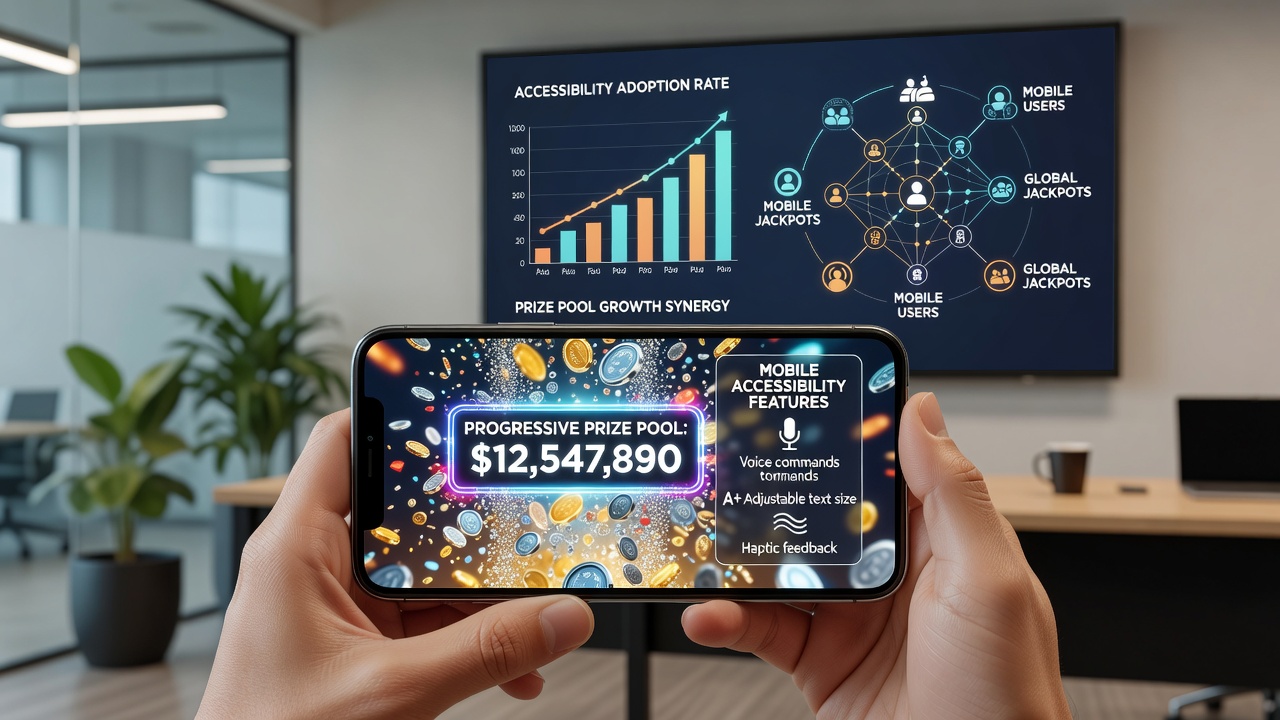
Data from multiple gaming markets indicates that mobile accessibility has expanded participation in progressive prize pools by connecting players across devices and regions, and this integration creates larger networks where contributions accumulate faster than in fixed-location setups. Researchers at institutions studying digital entertainment note that smartphone and tablet interfaces allow continuous engagement with jackpot mechanics, which in turn accelerates pool growth through increased spin volumes and cross-game linkages.
Core Mechanics of Progressive Prize Structures
Progressive prize pools operate by diverting a portion of each wager into a shared accumulation that spans multiple games or operators, and mobile platforms extend this model by enabling real-time updates visible on personal devices without requiring dedicated hardware. According to reports compiled by the American Gaming Association, such systems in North American markets reached new contribution thresholds in early 2026 as more titles adopted network-wide linkages, which mobile users accessed through dedicated applications and browser-based portals.
Observers tracking these developments point out that accessibility features like touch-optimized reels, instant notifications for pool milestones, and seamless account syncing reduce barriers that once limited participation to desktop or venue-based terminals. This shift means contributions flow from a broader base, including commuters, travelers, and casual users who engage during short sessions throughout the day.
Accessibility Features Enhancing Network Participation
Modern mobile interfaces incorporate adaptive layouts that adjust to various screen sizes while maintaining clear visibility of accumulating prize indicators, and these designs support features such as one-tap bet adjustments alongside live pool counters. Studies from Canadian research centers on interactive media have documented how push alerts about nearing jackpot triggers encourage repeated logins, thereby sustaining the steady input required for pool expansion.
Security protocols integrated into mobile gaming applications further support this synergy by using biometric verification and encrypted transactions that maintain compliance across jurisdictions, which allows operators to link games into international progressive systems without compromising user data flows. As of June 2026, industry analyses reveal that regions with high smartphone penetration rates recorded elevated average pool sizes compared to markets still reliant on stationary terminals.
Technological Integration Driving Pool Growth
Cloud-based servers handle the synchronization of progressive values across thousands of mobile sessions simultaneously, and this infrastructure processes contributions in milliseconds to reflect accurate totals on user screens. Those examining the field highlight examples where games from independent studios merged into single progressive ecosystems accessible via mobile apps, resulting in pools that surpassed previous benchmarks within weeks of launch.
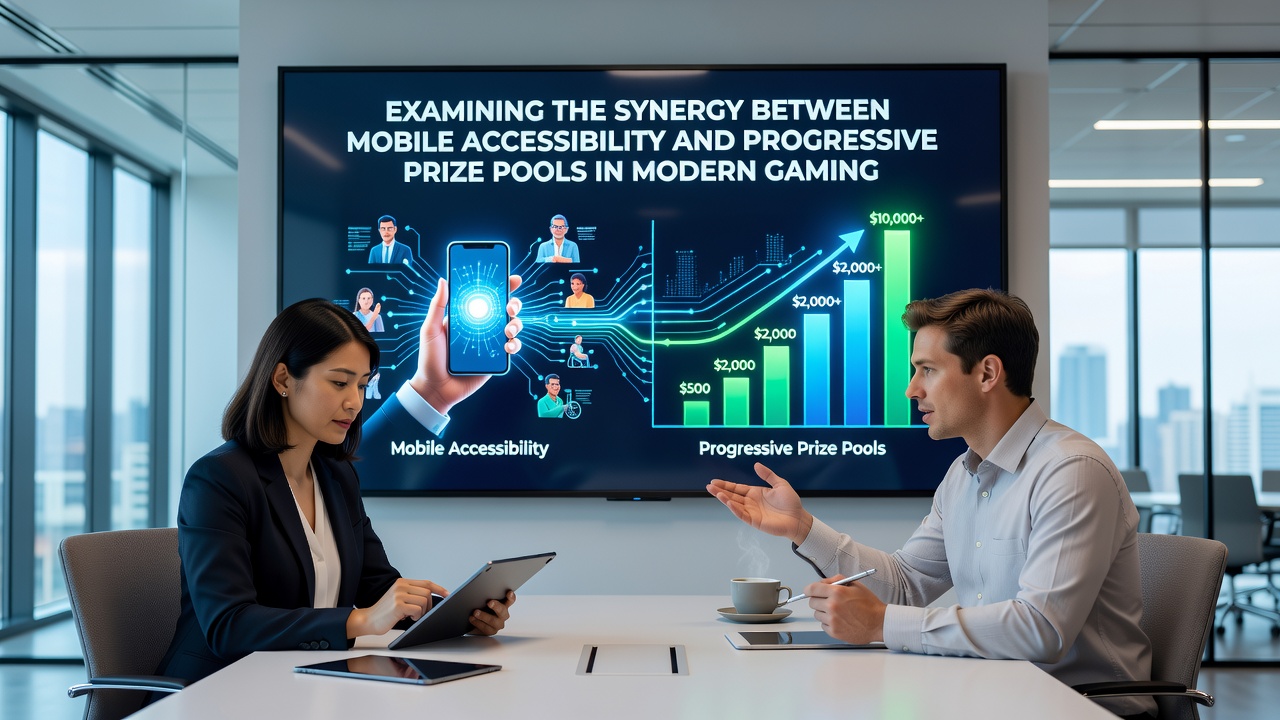
Application programming interfaces facilitate the connection between individual titles and overarching prize structures, enabling developers to add new games to existing networks without rebuilding the underlying accumulation logic. Data indicates that such modular approaches have increased the frequency of pool resets and redistributions, which maintains player interest while ensuring consistent contributions from expanding mobile audiences.
Regional Variations in Mobile-Driven Progressive Systems
European markets outside the United Kingdom demonstrate distinct patterns where regulatory frameworks permit broader mobile integration with progressive pools, and statistics from EU gaming oversight bodies show higher cross-border participation rates in 2026. In Australia, government-collected figures on digital wagering highlight how mobile applications tied to state-licensed networks have boosted average pool contributions per active account.
These geographic differences underscore how local infrastructure, including 5G coverage and app store policies, influences the speed at which mobile accessibility amplifies progressive prize dynamics. Observers note that areas with mature mobile payment ecosystems experience smoother transitions of funds into shared pools, reducing friction that might otherwise slow accumulation.
Conclusion
The documented expansion of progressive prize pools aligns directly with rising mobile accessibility metrics across multiple continents, as connection points multiply and contribution rates stabilize at higher levels. Evidence from regulatory compilations and academic reviews continues to track these interactions through 2026 and beyond, providing measurable indicators of how device portability reshapes the scale and reach of shared jackpot systems in contemporary gaming environments.