Shifting Device Formats Reveal Fresh Patterns in Feature Accessibility for Reel-Based Games
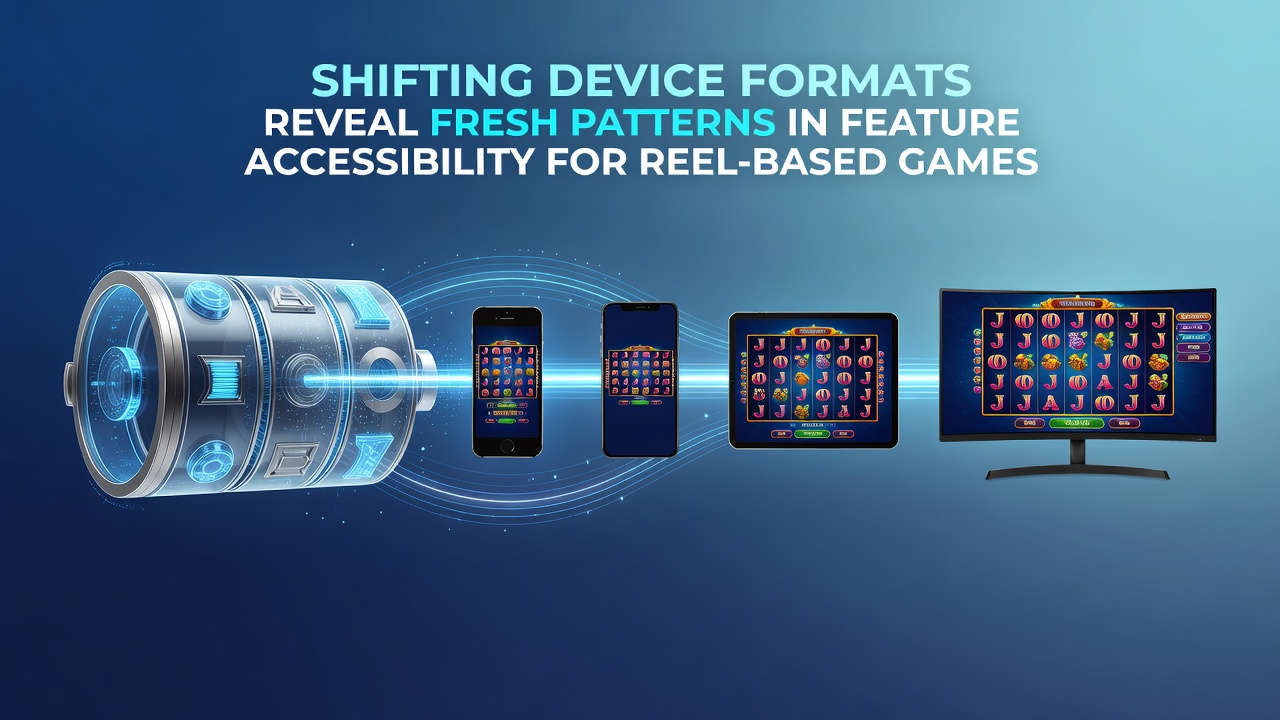
Device formats continue to reshape how players reach core mechanics in reel-based games, and analysts tracking usage patterns through mid-2026 have started mapping clearer differences across mobile, tablet, and desktop environments. Screen size, input method, and connection stability each influence whether features such as bonus rounds, turbo modes, or information panels load in one tap or require multiple steps. Data compiled by industry observers shows that these variations produce measurable shifts in how often certain options see use, particularly as hardware adoption rates evolve.
Device Proliferation and Interface Adjustments
Reel-based titles now appear on hardware ranging from compact smartphones to large desktop monitors, and developers adjust layouts accordingly while preserving the underlying mathematics. Mobile versions frequently compress menus into swipe gestures or floating icons, whereas desktop builds retain visible side panels for paytable access and RTP displays. Observers note that these adjustments alter feature reach without changing the games themselves, because touch targets must remain large enough for finger input yet leave room for spinning reels on smaller displays.
Research from the University of Nevada's International Gaming Institute indicates that mobile players activate auto-play sequences at lower rates than desktop users when the control sits behind an extra menu layer, and the pattern holds across multiple titles released between 2024 and 2026. Larger screens allow persistent visibility of volatility indicators and bonus buy buttons, reducing the number of actions needed to reach them. Tablets occupy a middle ground where hybrid controls sometimes combine swipe and click options, creating transitional accessibility profiles that developers continue to refine.
Accessibility Patterns Across Formats
Feature accessibility breaks down into several measurable categories: number of taps or clicks required, visibility of information panels, and responsiveness under varying network conditions. Mobile formats show higher friction for multi-step bonus entry sequences because portrait orientation limits simultaneous display of reels and control overlays. Desktop sessions, by contrast, keep more elements in view at once, which correlates with increased interaction rates for optional mechanics such as quick-spin toggles or detailed statistics views.
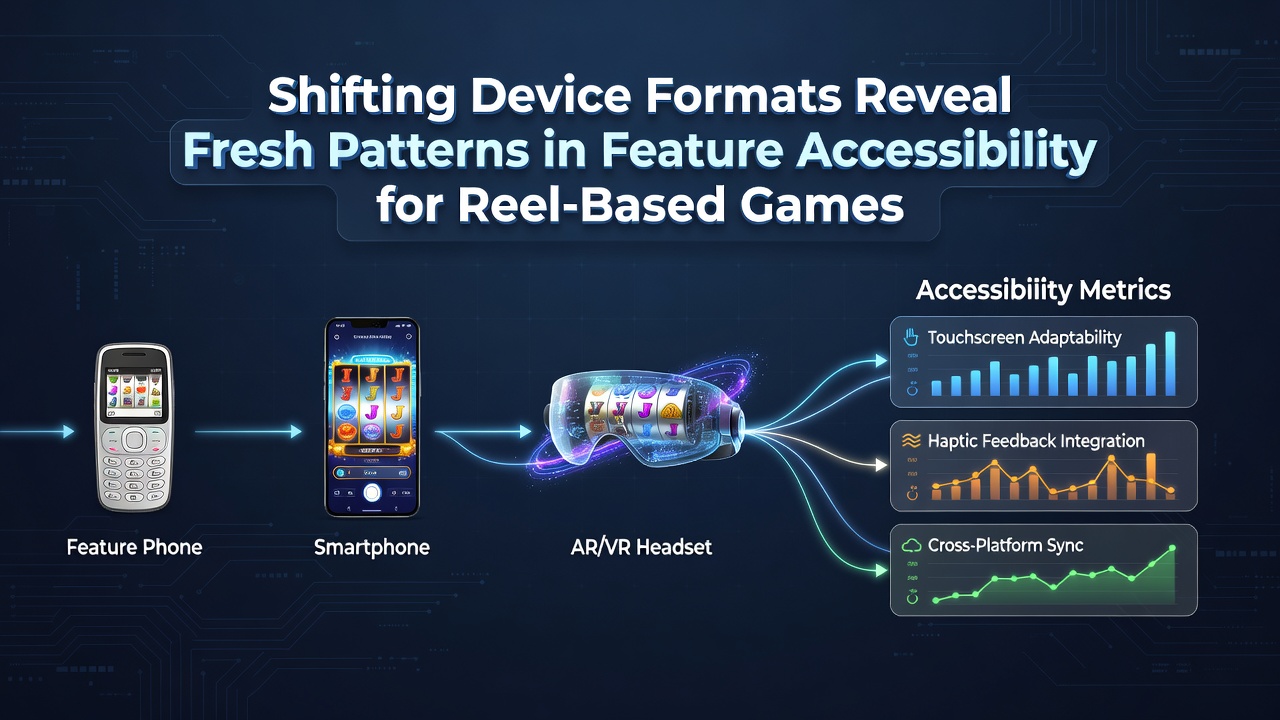
Figures released by the Alcohol and Gaming Commission of Ontario in early 2026 track session-level interactions and reveal that desktop players reach paytable information 28 percent more frequently than mobile users during equivalent play periods. The same dataset shows tablet users falling between the two extremes, with accessibility improving when games detect landscape orientation and expand secondary panels. Connection quality further modulates these patterns, since slower mobile networks sometimes delay loading of bonus animation assets and thereby reduce immediate feature engagement.
Trends Observed Through July 2026
Usage statistics gathered through the first half of 2026 demonstrate continued growth in cross-device play, yet the distribution of feature interactions remains uneven. Games that adapt dynamically, resizing menus and repositioning buttons based on detected hardware, narrow some gaps but do not eliminate them entirely. Developers report that touch-optimized versions still require distinct navigation trees compared with mouse-driven interfaces, and these differences persist even when the same title runs on multiple platforms.
One studio that publishes titles across all three formats documented a consistent preference for one-tap bonus triggers on mobile, while desktop players more readily explore multi-stage feature trees that include progressive multipliers. The pattern appears across several titles and suggests that screen real estate directly influences exploration depth rather than simple preference differences among player groups.
Implications for Game Design and Player Reach
Design teams now incorporate device-specific testing earlier in development cycles because accessibility shortfalls on any single format can limit overall engagement metrics. Regulatory bodies in multiple jurisdictions require clear disclosure of game parameters, and the placement of those disclosures must remain functional regardless of screen size. This requirement has prompted additional interface variants that maintain legibility on small displays without sacrificing the depth available on larger ones.
Industry reports compiled by the Gaming Standards Association highlight that standardized APIs for feature flags allow consistent behavior across devices, yet presentation layers still diverge. As a result, the same underlying reel mechanics can produce different interaction frequencies simply because the pathways to those mechanics vary. Observers continue to monitor whether these divergences stabilize or shift further as foldable and hybrid devices gain traction in consumer markets.
Conclusion
Shifting device formats have produced distinct accessibility signatures for reel-based game features, and the patterns documented through July 2026 reflect both hardware constraints and design choices. Mobile, tablet, and desktop environments each impose their own navigation costs and visibility advantages, shaping how frequently players reach bonus mechanics, information panels, and customization options. Continued measurement across regions and hardware generations will determine whether adaptive interfaces eventually reduce these differences or whether the distinctions remain inherent to the formats themselves.