Studio Strategies: Mapping Feature Activation Rates Across Fresh Digital Reel Creations
Game development studios have turned to detailed analytics when tracking how often bonus features trigger in newly released digital slots, and this approach has reshaped design processes across the sector since early 2025. Data collection now covers every spin sequence in test environments, allowing teams to adjust reel configurations before titles reach wider audiences, while regulatory bodies in multiple regions require transparency around these activation patterns to maintain compliance standards.
Core Methods Behind Activation Tracking
Studios gather information through layered simulation software that logs each feature trigger, whether that involves free spin rounds, multiplier stacks, or symbol expansions, and they combine these logs with player behavior datasets from closed beta phases. Researchers at institutions like the University of Nevada, Reno have examined how such mapping reveals correlations between reel strip layouts and activation frequency, showing that minor adjustments to symbol weighting can shift trigger rates by several percentage points without altering overall return metrics.
Software platforms used in this process integrate real-time dashboards that display activation heat maps, and these tools help developers identify underperforming mechanics early in the production cycle. One development group working on a cluster-pays title in late 2025 used these maps to reposition scatter symbols, which raised the baseline activation rate for its primary bonus from 1 in 180 spins to 1 in 142 spins while keeping the published RTP figure unchanged.
Regional Data Influences on Studio Planning
Reports from the Nevada Gaming Control Board indicate that activation rate documentation now forms part of submission packages for new games seeking approval in that jurisdiction, and similar requirements have appeared in licensing frameworks across several Canadian provinces. Studios therefore maintain centralized databases that store activation statistics alongside jurisdiction-specific rules, allowing rapid updates when regulations shift.
European operators have also contributed to these datasets through aggregated performance feeds shared with trade groups, and this cross-border information exchange helps smaller studios benchmark their titles against larger releases. Figures released in June 2026 from industry monitoring services showed that medium-volatility games released in the first half of the year averaged feature activations once every 95 spins, whereas high-volatility counterparts triggered bonuses once every 210 spins on average during controlled testing phases.
Practical Adjustments During Development Cycles
Developers often run thousands of automated spins on prototype builds, recording not only raw activation counts but also the distribution of outcomes within each feature round. This granular view lets teams decide whether a bonus round delivers enough variety to maintain engagement or whether reel weighting needs recalibration. In one documented workflow, a studio identified that its expanding wild mechanic activated too frequently in early spins, which compressed the perceived volatility, so engineers lowered the expansion probability on the first two reels while increasing it on the fifth reel to restore balance.
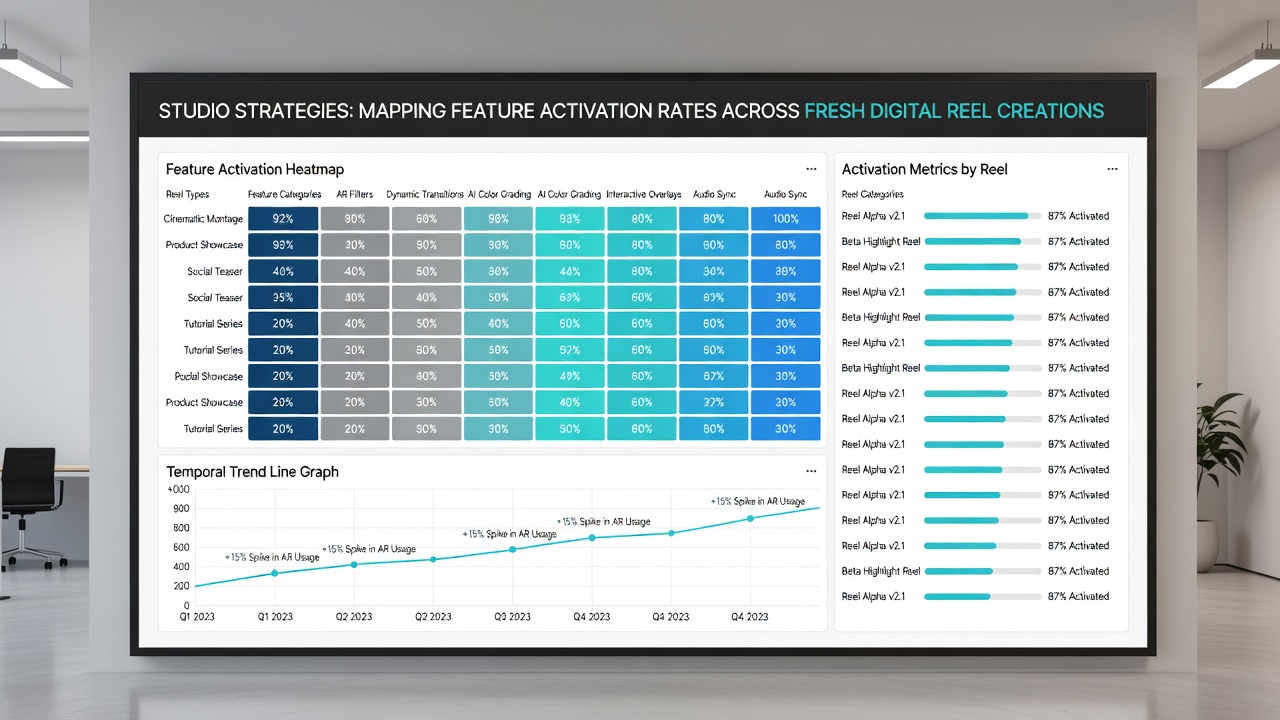
These iterative changes occur within compressed timelines because modern testing suites can complete millions of spins overnight, and the resulting activation matrices feed directly into final certification documents. Observers note that studios now treat activation mapping as a standard production checkpoint rather than an optional review step, particularly when launching titles intended for mobile platforms where session lengths tend to be shorter.
Broader Industry Patterns Emerging in Mid-2026
Analysis of titles launched between January and June 2026 reveals consistent patterns in how activation rates align with volatility labels, and these patterns appear across both established publishers and newer entrants. Data compiled by the European Gaming and Betting Association highlights that games advertising frequent bonus access typically post activation rates above once per 120 spins in verified testing, while titles marketed around large jackpot potential maintain rates below once per 250 spins. Studios use this alignment to guide marketing language and to avoid discrepancies between advertised and actual mechanics.
Training programs within larger development houses now include modules on interpreting activation data, and junior designers learn to read probability curves alongside traditional art and sound briefs. This integration of quantitative review has reduced the number of post-launch patches required to correct feature pacing issues, according to internal metrics shared at industry conferences earlier this year.
Conclusion
Activation rate mapping has become an embedded component of digital reel creation, guiding everything from initial symbol placement to final certification across multiple markets. Studios continue to refine their data collection methods as testing volumes grow, and the resulting insights shape both individual titles and broader design trends observed throughout 2026.